
Why eDirectory Is a Complete Solution for Building an Online Directory
Introduction
Choosing the right directory software is one of the most important decisions when starting or growing an online directory business. A directory website is not only a list of businesses or members. For many projects, it also needs to support subscriptions, advertising, leads, mobile access, search, SEO, user-generated content, reviews, events, articles, offers, and long-term growth.
Many platforms can help launch a simple directory website. However, as the project grows, site owners often need more than basic listings and member profiles. They may need advanced monetization options, AI features, native mobile app, SEO tools, API access, flexible hosting options, and a platform that can support different business models.
eDirectory was built as a complete directory platform, offering the tools needed to create, manage, monetize, and scale directory-based websites.
1. eDirectory Is More Than a Basic Listing Platform
Some directory platforms focus mainly on member profiles or business listings. While this may be enough for small projects, many directory businesses need different types of content to create value for visitors and sponsors.
eDirectory includes several built-in content modules, such as:
- Listings
- Members
- Events
- Classifieds
- Deals and offers
- Banner ads
- Articles
- Blog posts
This gives site owners more flexibility to build a complete online community, business directory, local guide, industry portal, marketplace, or membership-based website.
Instead of relying only on listings, site owners can create a richer user experience by combining different types of content. For example, a local business directory may include listings, events, coupons, blog posts, and banner advertising. A professional association may use member profiles, articles, events, and paid membership plans.
This flexibility helps the directory grow beyond a simple database of profiles. Feel free to browse in our Use-Cases section to find out more here: https://www.edirectory.com/uses/
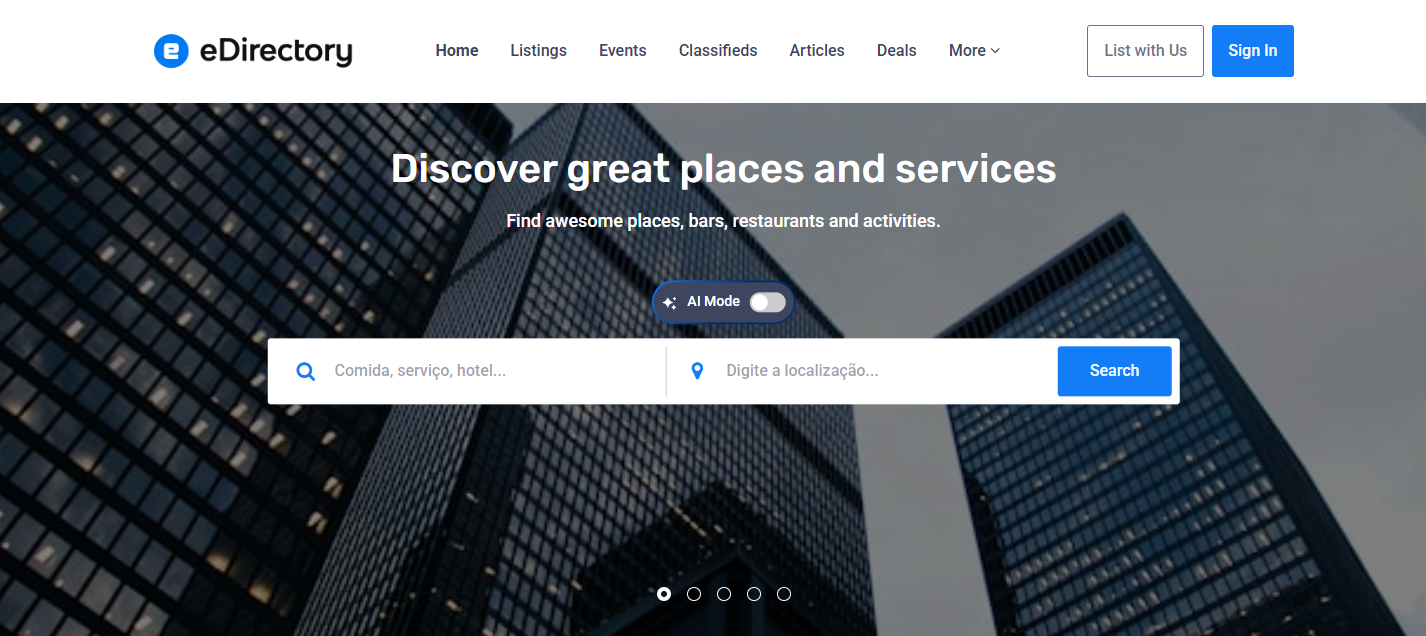
2. Built-In Monetization Tools
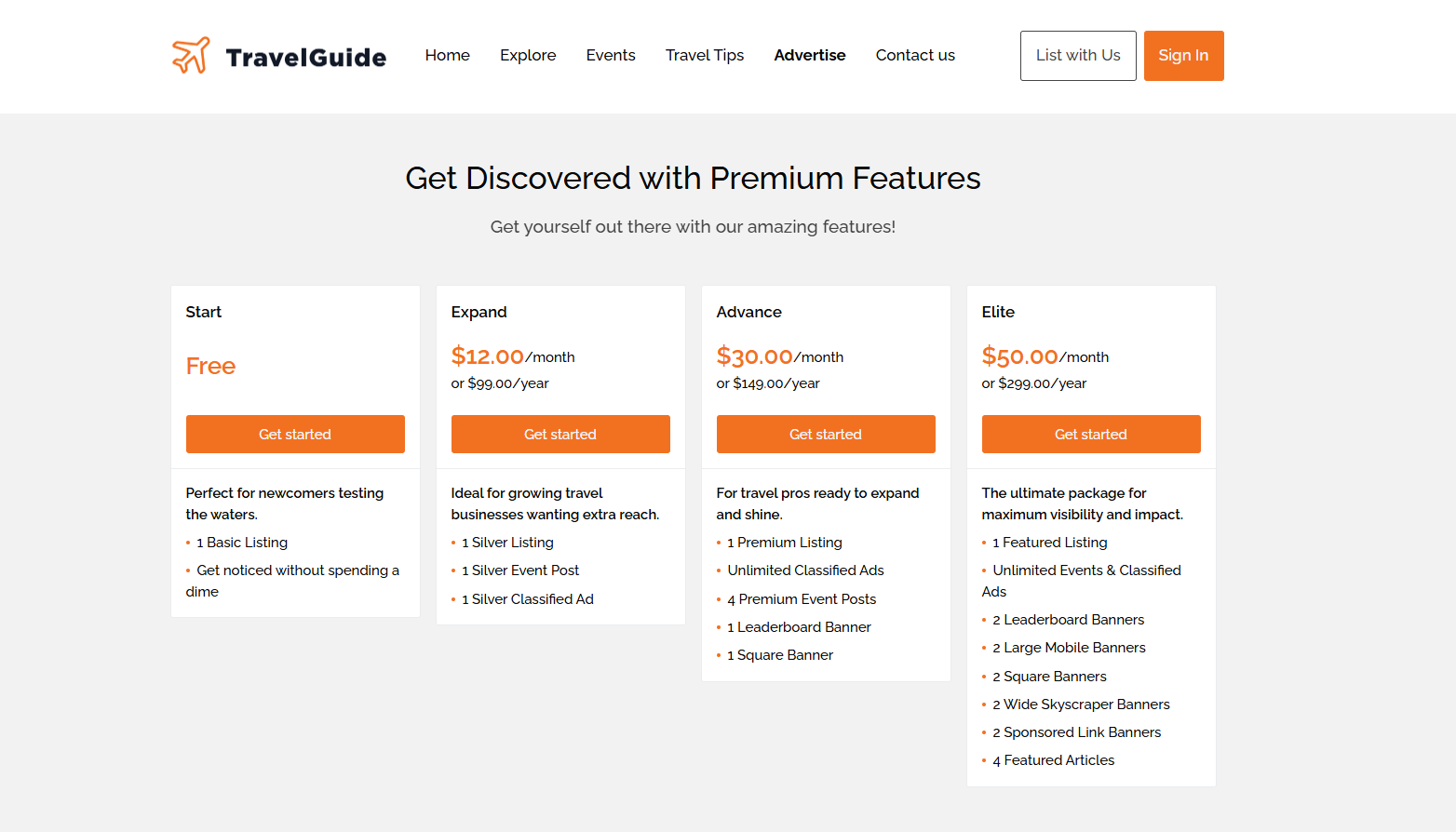
A successful directory usually needs a clear monetization strategy. eDirectory includes several tools that allow site owners to generate revenue from sponsors, advertisers, and members.
Depending on the project configuration, eDirectory can be used to monetize through:
- Paid listings
- Membership plans
- Recurring subscriptions
- Featured listings
- Banner advertising
- Deals and offers
- Classified ads
- Event promotion
- Claimable listings
- Package-based offers
This allows the directory owner to create different pricing strategies for different types of users.
For example, one sponsor may only need a basic listing, while another may want a premium listing, banner ad, event promotion, and additional visibility. With the right plan and package structure, the site owner can offer multiple levels of value instead of using a one-size-fits-all model.
3. Native Mobile App Builder
Mobile access is an important part of many directory projects. Visitors often search for businesses, events, offers, and local services from their phones.
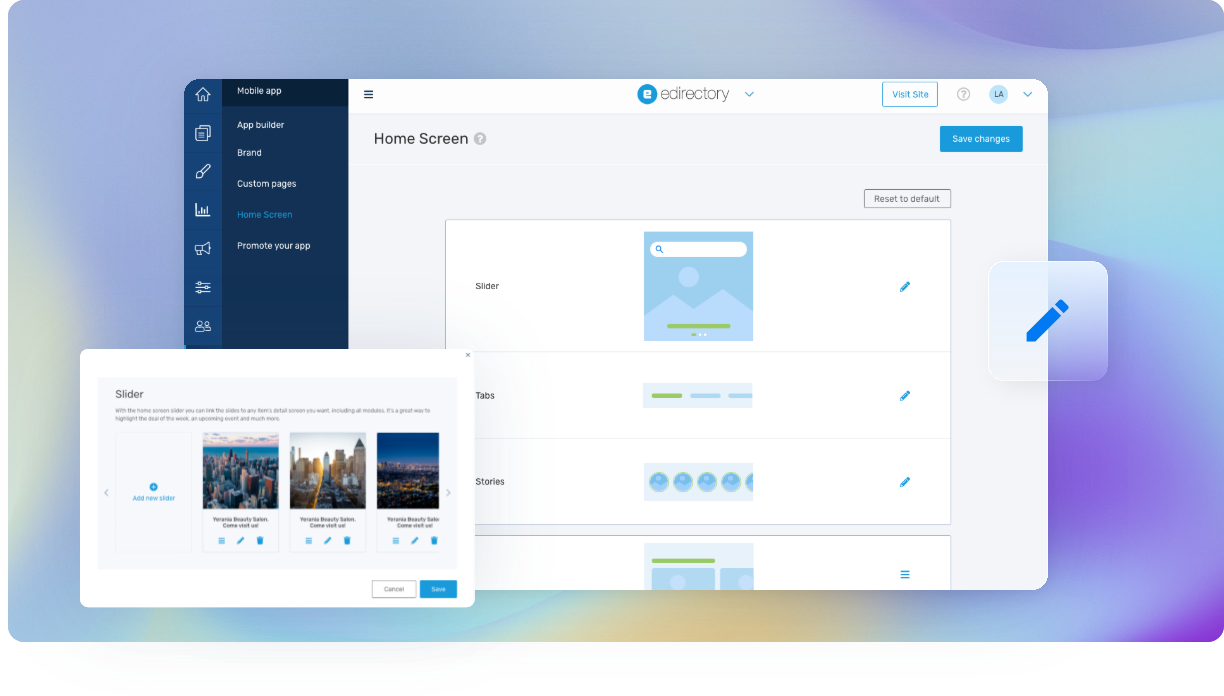
eDirectory includes an integrated app builder for native iOS and Android apps. This allows site owners to extend their directory experience beyond the website and provide mobile access through app stores.
The mobile app builder is especially useful for directories that rely on:
- Local search
- User engagement
- Push notifications
- Mobile visitors
- Sponsor visibility
- Community interaction
- App-based browsing
Having native mobile app options available from the same platform can make the project feel more complete and professional, especially for directories that want to provide a stronger mobile experience.
4. SEO Tools for Directory Growth
Search engine visibility is important for directory websites because many visitors discover listing pages, category pages, location pages, articles, and business profiles through search engines.
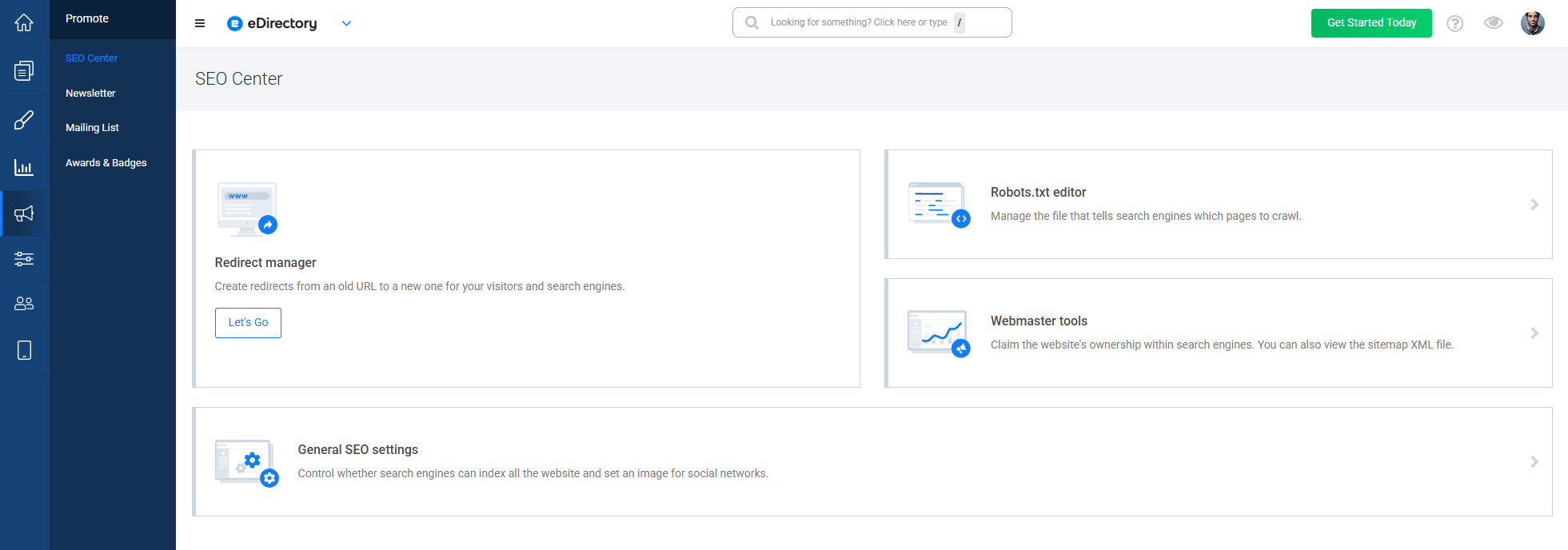
eDirectory includes SEO-related tools and features designed to help site owners optimize their websites, such as:
- SEO-friendly URLs
- Automatic XML sitemaps
- Meta tag optimization
- Schema markup
- Google Search Console integration
- SEO tools for content pages
- SEO settings for listings and other modules
These tools help site owners manage important SEO elements directly from the platform.
While no software can guarantee ranking results, having SEO tools built into the directory platform makes it easier to structure the website properly and provide search engines with organized, indexable content.
5. AI-Powered Features
eDirectory includes AI-powered tools designed to help site owners and sponsors save time when creating and managing content.
AI features may help with tasks such as:
- Generating listing descriptions
- Creating content suggestions
- Assisting with text creation
- Generating review replies
- Summarizing reviews
- Supporting content workflows
- AI-powered search
This can be especially helpful for directories with many listings, sponsors, or content pages. Instead of manually writing every description or response from scratch, AI tools can help speed up content creation and improve productivity.
For site owners managing large amounts of data, AI-powered assistance can reduce repetitive work and make it easier to keep content updated.

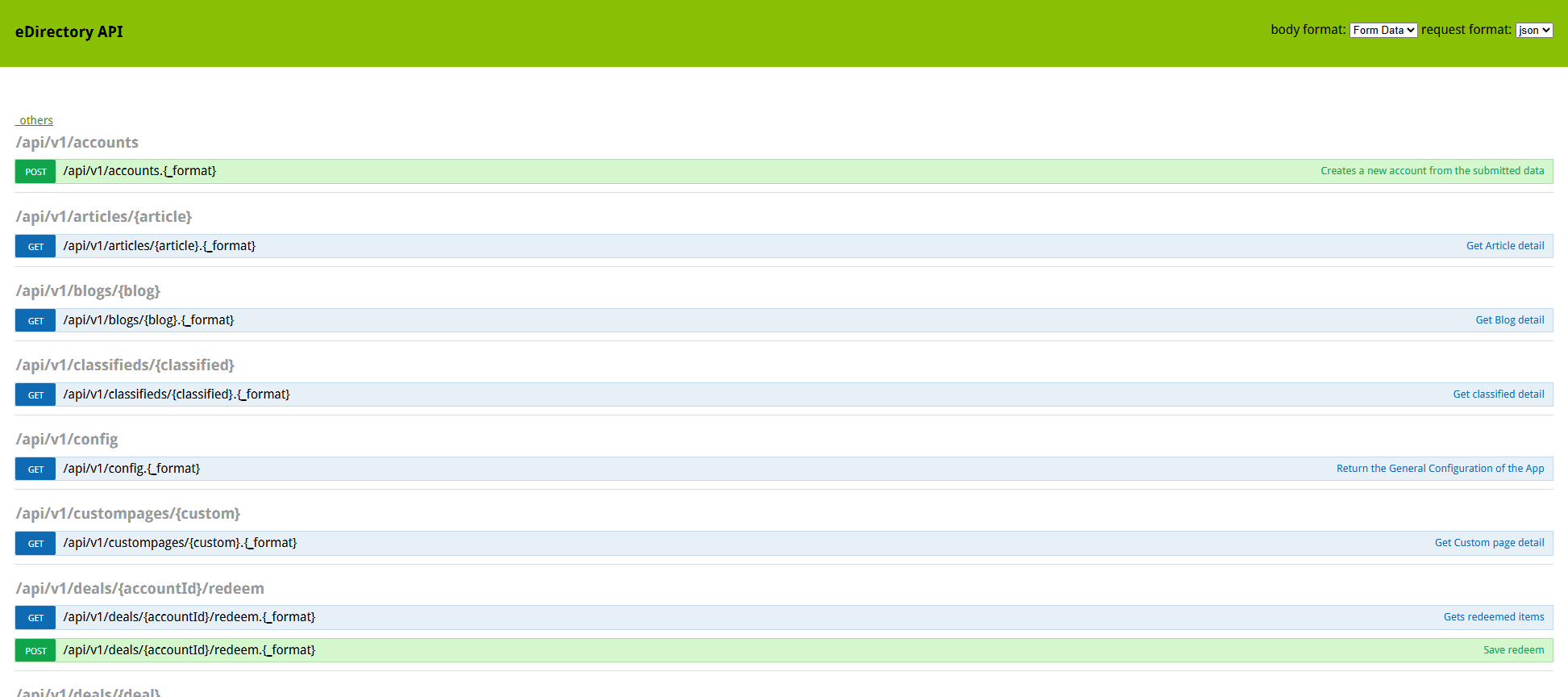
6. Open API and Integration Possibilities
As directory projects grow, some businesses may need to connect their platform with external systems. This may include CRMs, marketing tools, mobile experiences, automation platforms, reporting systems, or custom integrations.
eDirectory includes Open API access on supported plans, allowing more advanced projects to explore integration options.
API access is important for businesses that need more technical flexibility and want their directory to work with other tools or workflows. This makes eDirectory a stronger option for projects that may eventually require custom development or external system connections.
7. Source Code and Self-Hosting Options
Some directory owners prefer a hosted solution, while others need more control over their infrastructure and codebase.
eDirectory offers source license and self-hosting options for advanced technical users. This gives site owners more flexibility when they need greater control over hosting, customization, or long-term ownership of the platform.
This is an important difference for businesses that do not want to be limited to a standard hosted-only model.
With source access and self-hosting options, advanced users can work with a more flexible technical structure, provided that the server meets eDirectory’s system requirements.

8. White-Label and Professional Branding
For many directory businesses, branding is essential. The platform should support the identity of the business, not distract from it.
eDirectory offers white-label and unbranded options depending on the selected plan. This allows site owners to present the directory under their own brand and create a more professional experience for users, sponsors, and advertisers.
This is especially important for agencies, associations, chambers of commerce, media companies, franchises, and entrepreneurs building a long-term directory business.

9. Built for Different Types of Directory Projects
One of eDirectory’s main strengths is that it can support many types of directory projects.
Examples include:
- Local business directories
- Niche industry directories
- Membership websites
- Professional associations
- Chamber of commerce directories
- Tourism and travel guides
- Real estate directories
- Event directories
- Classified portals
- Franchise directories
- Marketplace-style websites
- Community portals
Because eDirectory includes multiple modules and monetization options, it can be adapted to different business models instead of being limited to only one type of directory website.
10. A Platform Designed for Growth
A directory project may start small, but the platform should be able to grow with the business.
At the beginning, a site owner may only need basic listings and a few categories. Later, the same project may need paid plans, sponsor dashboards, mobile apps, SEO tools, content marketing, banner ads, API integrations, advanced search, and additional monetization options.
eDirectory provides a broader structure for this kind of growth. Instead of rebuilding the project on another platform later, site owners can expand their directory using features already available within the eDirectory ecosystem.
This makes eDirectory a strong option for users who are planning not only to launch a directory, but to build a long-term online business around it.
Comparison: Basic Directory Builder vs. Complete Directory Platform
| Feature Area | Basic Directory Builder | eDirectory |
|---|---|---|
| Business listings | Usually available | Available ✅ |
| Events | May require add-ons or custom setup | Built-in module ✅ |
| Classifieds | May require add-ons or custom setup | Built-in module ✅ |
| Deals and offers | May require add-ons or custom setup | Built-in module ✅ |
| Banner advertising | May be limited or require add-ons | Built-in monetization option ✅ |
| Articles and blog | May be basic or external | Built-in content tools ✅ |
| Paid plans and subscriptions | Usually available in some form | Available ✅ |
| Native mobile apps | Often limited or not included | iOS and Android app builder available ✅ |
| SEO tools | Varies by platform | SEO-friendly URLs, sitemaps, meta tags, and schema markup ✅ |
| API access | Varies by platform | Open API available on supported plans ✅ |
| Source code access | Often unavailable | Available through source license ✅ |
| Self-hosting | Often unavailable | Available for source license users ✅ |
| White-labeling | Varies by platform | Available on supported plans ✅ |
| Scalability | Depends on platform limitations | Designed for more complete directory projects ✅ |
Conclusion
eDirectory is a complete directory platform built for users who need more than a simple listing website. It combines listings, members, events, classifieds, deals, banner ads, articles, blog content, monetization tools, SEO features, AI-powered tools, mobile app options, API access, and advanced licensing options.
For users who only need a very simple directory, a basic platform may be enough. However, for businesses that want to build a scalable, branded, monetized, and feature-rich directory, eDirectory provides a more complete foundation.
By choosing eDirectory, site owners can start with the essential tools needed to launch their directory and continue expanding the project as their business grows.